
As you copy and learn these new vocab words, remember that only the first one is from our textbook. If you find the word interesting and meaningful, use it in a sentence instead of copying the word many times. In Chinese, this exercise is called 造句, construct a sentence.
- 舞会;舞伴bàn(dance partner)、舞蹈dǎo(dance)、舞蹈dǎo家(dancer)、手shǒu舞足zú蹈dǎo(gesticulate)、能歌善shàn舞(talented in singing and dancing)、
- 1. 他是我的________,可是他跳舞跳得比我好。
- 中学;小学(elementary school)、大学(college)、学校、学问(knowledge)、学习xí、
- 2. 我中学的老师很有__________,什么都知道。
- 送;送礼lǐ(give gifts)、送客kè(see guests off)、送人、送饭(deliver food)、送机jī(see somebody off at the airport)
- 3. 要是你不给他__________,他就不帮你办事。
- 礼物;人物(character in drama)、动dòng物(animals)、生物(biology)、食shí物(food)、衣物(clothes)、遗yí物(articles belonging to the dead)、信xìn物(token of love)、购gòu物(v. shop)、购物中心(shopping center)、
- 4. 妈妈非常喜欢________,她一个月买的东西比爸爸一年买的多。
- 本;一本书、一本账zhàng(a ledger)、一本经(a scripture)、一本日历lì(a calendar)、
- 饮料;材cái料(materials)、木mù料(wood)、衣料(cloth)、布bù料(cloth)
- 5. 你不是唱歌的________,没有人喜欢听你唱歌。
- 水果;结jié果(result)、后果(consequence)、因果(cause effect)、如rú果(if)、瓜guā果(melons and fruits)、苹píng果(apples)
- 6. 他给他喜欢的女同学写了很多信,可是一点________都没有。
- 把;一把花huā(bundle of flower)、一把菜cài(handful of veggie)、一把屎shǐ(poop)、一把尿niào(pee)、
- 西瓜;南瓜(pumpkin)、瓜子(melon seeds)、甜tián瓜(honey-dew)
- 住;居jū住(reside)、as a resultative: as fixed: 拿住(hold tight)、顶dǐng住(shoulder burden)、记jì住(remember)、接jiē住(catch)
- 7. 因为他没有_______昨天她告诉他的名字和电话,所以现在他不能给她打电话。
- 重;重要(important)、重心xīn(pivotal point)、重点diǎn(key point)、重视shì(value)、
- 8. 因为他不________她对他的爱,她不想再跟他在一起了。
- 接;接电话(receive call)、接人(meet people)、接连lián(continuous)、接力lì(relay)、
- 楼;大楼(edifice)、五角jiǎo大楼(pentagon)、楼房fáng(building)、写字楼(office building)、酒楼(hotel)、茶楼(tea-house)、炮pào楼(fortress)、楼梯tī(stairs)、
- 聪明;光guāng明(bright)、表biǎo明(make clear)、说shuō明(explain)、
- 9. 他很_________,七岁时就会说英文、法文、德文、中文和日文。
- 用功;报bào功(report success)、庆qìng功(celebrate success)、成chéng功(success)
- 暑期;学期(semester)、星期、周期(cycle)、失shī效xiào期(expiration day)
- 10. 什么东西都有_______,到了一个时间就没有用了。
- 可爱;可以(able)、可喜(joyful)、可能(possible)、可恨hèn(hateful)、可耻chǐ (shameful)、可悲bēi(tragic)、可恶wù(despicable)、可气qì(outrage)、可怜lián(pitiable)、可敬jìng(respectable)、
- 11. 那个小孩很___________,生下来妈妈就死了。
- 脸;不要脸(shameless)、没脸(ashamed)、脸书(Facebook)、笑xiào脸(smiling face)
- 12. 我五年没给她打电话了,现在_________请她出去看电影。
- 圆;圆规guī(compass)、月圆(full moon)、团tuán圆(reunion)
- 13. 感恩节是一家人_______的日子。
- 眼睛;眼光guāng(perception)、眼力lì(eye sight)、眼泪lè(tears)、眼球(eye ball)、眼镜jìng(glasses)、电子眼(electronic monitor)、肚dù脐qí眼(navel)、
- 14. 她的________是咖啡色的,头发是黑色的。
- 一定;肯kěn定(certain)、必bì定(certain)、决jué定(decide)、确què定(verify, certify)、稳wěn定(stable)、商shāng定(negotiate)、约yuē定(agree to)、
- 15. 因为我的女朋友在这个学校,所以我________也来这里上学。
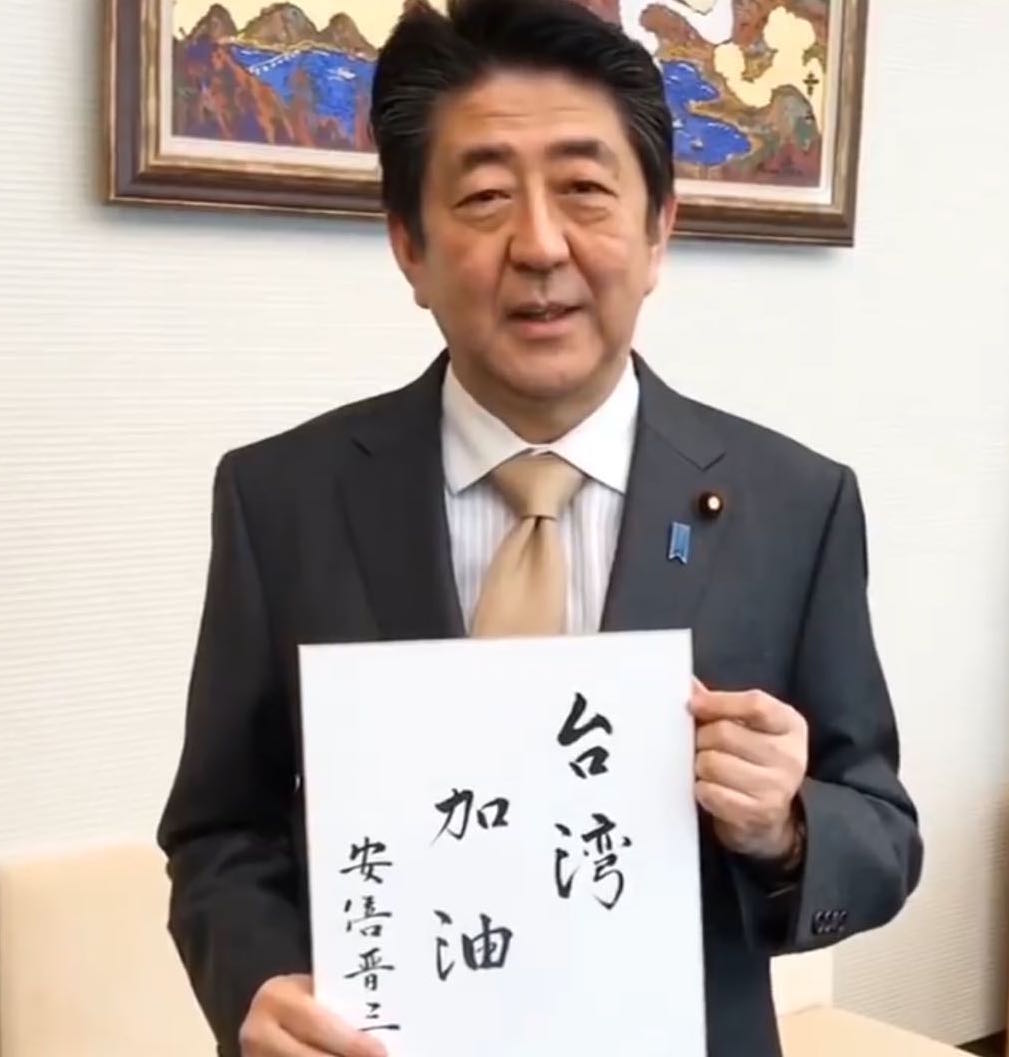
- 加油 jiā yóu, courage, come on, cheer up
- 钟头,钟表(biǎo, clocks and watches)、钟声(shēng, bell sound)、钟点、
- 以为,认为(believe)、(无所)作为(action)、视为(view as)、行为(n. conduct and act)
Beginning Chinese II: Vocabulary of Lessons 1, 2, 3, 4, 5, 6, 7, 8, 9 and 10.